
Fencing One Mile: Repairs and New Fences for Ipswich Cottages
Fencing in One Mile often starts with a leaning boundary fence or rotten posts on an old timber cottage block. A local fencer can measure up, put the price in writing and haul the old fence away.
A leaning or rotting fence around a One Mile cottage can usually be put right by a local fencer, either with a repair or a full replacement. Which one suits you depends on how much sound timber is left in the posts. The fencer looks at the posts, the rails and the ground, then gives you a written price for the smaller job that will hold.
Fencing One Mile: repairs and replacements for timber cottages
Most fence trouble on an older cottage block starts at the base. Posts sit in damp ground, the timber softens where it meets the soil, and a wet season finishes the job. The fence leans, the palings (the upright boards) work loose and the gate starts to drag.
A qualified fencer pushes and probes the posts to see how much solid timber remains. If only a few posts have failed, replacing those and refixing the rails may be enough. If most of the line is soft, a new fence usually costs less over time than a string of patches.
Three jobs cover most of what One Mile owners want done. One is repairing leaning or rotted sections of an existing timber fence. Another is replacing a worn boundary fence with a new one. The third is closing in a yard so a dog or small children cannot get out.
The fencer confirms the scope on site, and the written quote sets out what is included before anyone digs a post hole.
Fencing Ipswich QLD: which fence suits a One Mile block?
The right material in One Mile mostly comes down to how wet your ground stays and how much you want to keep the cottage look.
Timber keeps the look of a cottage and can match what is already there. It needs more upkeep, and it is the material that suffers most from damp ground.
Colorbond steel gives a straight, solid line and good privacy from the neighbours or the street. It does not rot, so it suits low spots where timber has failed before.
Aluminium slat fencing looks tidy at the front of a house and lets you see through to the street while still closing in the yard. Pool barriers are a separate job again, because Queensland pool safety rules apply to the height and the gate. A licensed fencer builds those to the rules.
A fencer who has worked on older homes will also talk through how the new fence meets an existing gate, a front step or a retaining wall.
Should I patch the old fence or replace it?
Patching makes sense when the damage is limited. One rotted post, a few cracked palings or a loose rail can be fixed in a short visit, and the rest of the fence carries on.
Replacement makes sense when the posts are soft along most of the run. Fixing one post beside several weak ones often just moves the lean down the line. The fencer can show you which posts are sound and which are not, so the decision rests on what they find.
A replacement job can include pulling out the old fence and taking it away, so you are not left with a pile of rotten timber in the yard. Mention that when you ask for the quote.
Who pays when the fence is on the boundary?
A fence shared with a neighbour is a dividing fence, and Queensland has rules about how the cost is shared and how notice is given. If your neighbour wants to replace it, or you do, talk to them first and agree on the type and height before the fencer prices it.
A clear written quote helps here. It gives both households the same number to look at, instead of two guesses. Your fencer can explain what the work covers, so the conversation over the fence stays simple.
What One Mile's old streets and river flats mean for a fence
One Mile is a compact suburb, and its fencing needs change from street to street. The old residential grid, the later housing pockets and the low land beside the Bremer River all behave differently.
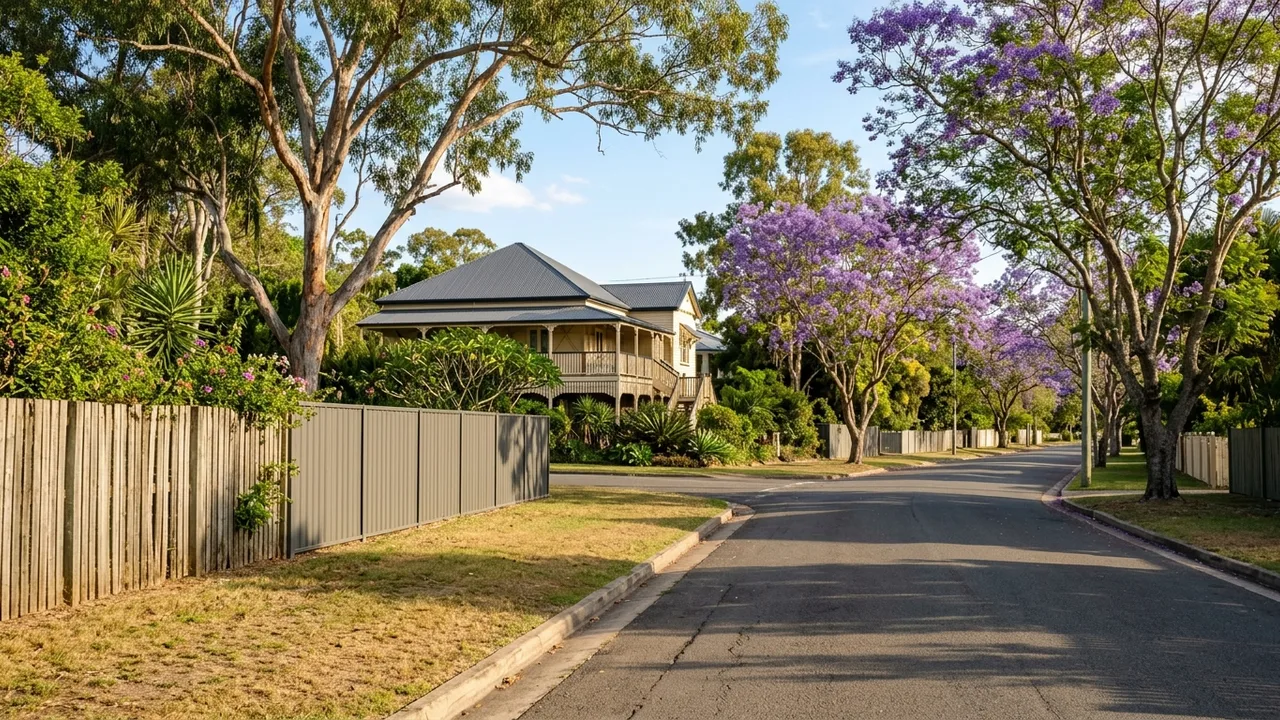
The One Mile Estate was developed between 1909 and 1950, and early timber cottages and Queenslander-era houses still stand there. A Queensland Times report from September 1946 put the Housing Commission's tally at 140 homes in the estate's "Model Suburb". Houses of that age often sit on small lots with fences that have been repaired many times, so a fencer will look for old posts hidden under newer palings.
Blocks near the Bremer River and the Don Livingstone One Mile Bridge sit on lower ground, where soil stays wet longer and timber posts rot faster. On those blocks, steel posts or a concreted base are worth discussing.
Sloping ground may need a retaining wall before the fence goes in. The fencer can say so when they measure up.
Services in One Mile
- Rural and Acreage Fencing Long boundary and paddock runs on acreage, built to hold stock and keep your fence lines straight and tight.
- Retaining Walls Sleeper and timber retaining walls that turn a sloping block into level, usable yard and a firm fence base.
- Fence Repairs and Replacement Leaning posts, loose palings and sagging gates fixed, or the old fence pulled out, taken away and replaced.
- Decking Timber decks that stretch your living space outdoors, planned alongside new fencing for a finished backyard.
- Colorbond Fencing Pre-painted steel panels, set level on flat ground or stepped down a sloping yard to follow the fall.
- Timber Fencing Treated pine and hardwood fences for privacy between neighbours, with posts built for local soil.
- Pool Fencing Glass, aluminium or tubular pool barriers built to keep small children out and meet Queensland rules.
- Aluminium and Slat Fencing Powder coated aluminium slat fences that will not rot or draw termites, with modern privacy screening.
Frequently Asked Questions
What fence repair problems turn up in One Mile and how are they fixed?
Talk to a specialist
Fence leaning, gate sagging or a new yard to close in? Tell us what you need and get it sorted.
Share the details and we will help you take the next step with confidence.